Clear Aligners for Adults: Are They Worth It?

A lot of adults wait years before fixing crooked teeth. Not because they do not care, but because metal braces can feel too visible, too inconvenient, or simply out of step with work and social life. That is exactly why clear aligners for adults have become such a popular option. They offer a more discreet way to straighten teeth while fitting more comfortably into a busy schedule.
For many patients, the appeal goes beyond appearance. Straighter teeth can be easier to clean, more comfortable to bite with, and more supportive of long-term dental health. Still, aligners are not a one-size-fits-all answer. The right choice depends on your bite, your goals, and how committed you are to wearing them properly.
What are clear aligners for adults?
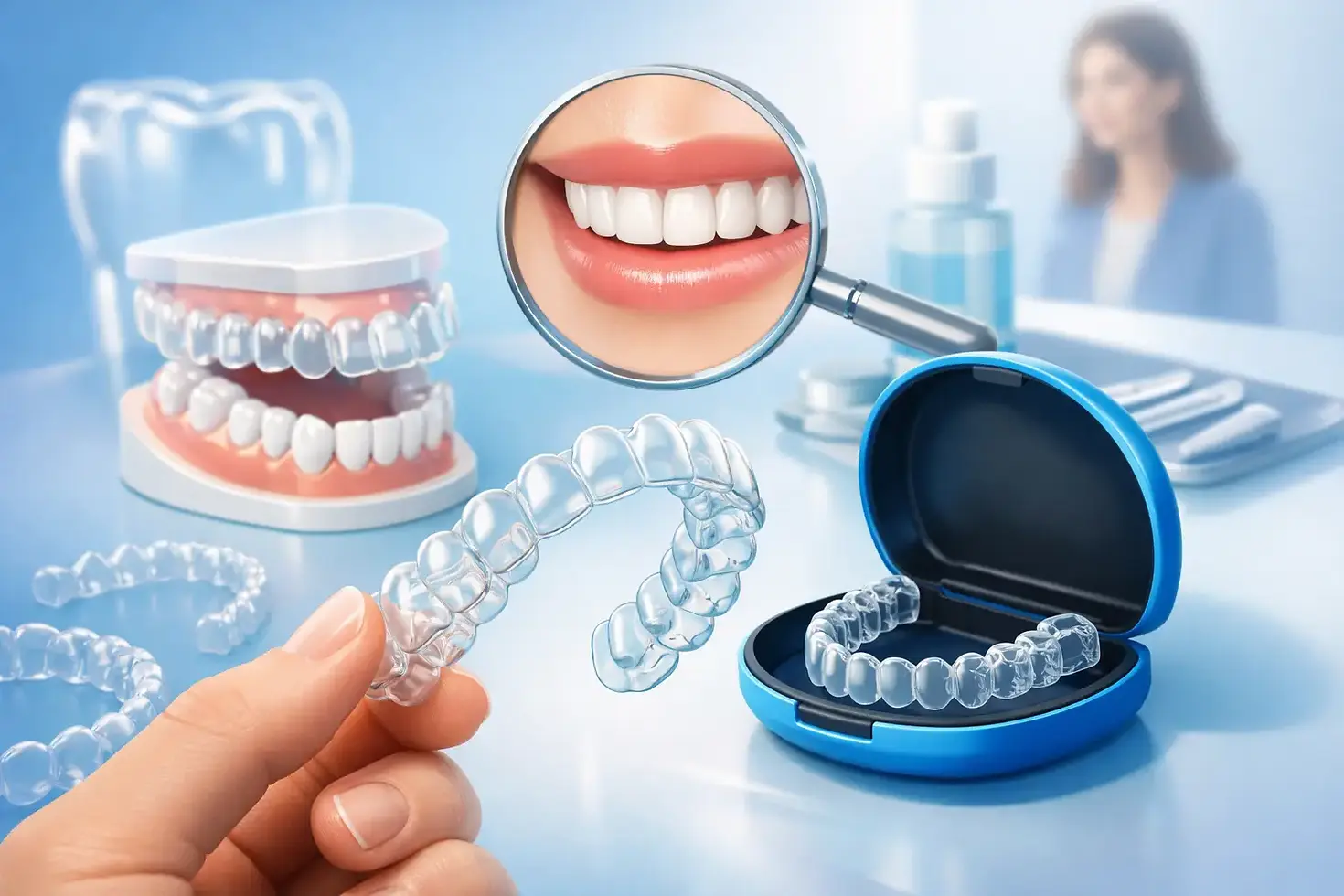
Clear aligners are a series of custom-made, transparent trays designed to gradually move teeth into better positions. Each set is shaped a little differently, guiding small changes over time until the final result is reached.
Unlike traditional braces, there are no metal brackets or wires attached to the teeth. The trays are removable, which means you take them out for meals, brushing, and flossing. For adults, that flexibility is often the biggest advantage. It allows treatment to feel less disruptive while keeping the process subtle.
Treatment usually begins with digital records of your teeth and bite. In a modern clinic, that often means intraoral scans instead of messy impressions. Those scans help the dentist map your tooth movements with precision and design a sequence of aligners tailored to your smile.
Why adults choose aligners later in life
Adult orthodontic treatment is rarely just about vanity. Many people reach a point where they are ready to invest in their smile because it affects how they feel at work, in photos, or during everyday conversations. Others notice practical issues, such as crowding that makes flossing difficult, teeth that have shifted after childhood braces, or bite problems that cause uneven wear.
Clear aligners often appeal to professionals, parents, and appearance-conscious adults because they are discreet. In meetings, social events, or close conversations, they tend to be far less noticeable than braces. That can make the decision to finally start treatment feel easier.
There is also a comfort factor. Aligners are smooth and custom-fitted, so they usually do not create the same rubbing or poking that wires and brackets can cause. That does not mean treatment is painless. Teeth still need to move, and some pressure is expected, especially when switching to a new set. But many adults find the experience more manageable than they anticipated.
When clear aligners work well
Clear aligners can be highly effective for many adult cases, especially mild to moderate crowding, spacing, and certain bite corrections. They are often a strong option for patients who want cosmetic improvement along with better alignment.
They may also work well for adults whose teeth have relapsed after earlier orthodontic treatment. This is common. Teeth can drift over time, especially if retainers were not worn consistently after braces. In those situations, aligners can often bring the teeth back into better position without starting over with full traditional braces.
Another advantage is planning. Because the treatment is digitally mapped, patients can understand the process more clearly before committing. That level of visibility can be reassuring, particularly for adults making a careful decision about time, cost, and outcome.
Where aligners have limits
This is the part that matters just as much as the benefits. Clear aligners are excellent in the right case, but they are not the best solution for every smile.
More complex bite problems, significant tooth rotations, severe crowding, or cases involving major jaw discrepancies may respond better to braces or a combined treatment approach. Some adults also have existing dental concerns such as worn teeth, missing teeth, gum disease, or old restorations that need to be considered before any tooth movement begins.
That is why a proper clinical assessment matters. A cosmetic concern on the surface can sometimes be linked to a deeper structural issue. If your teeth are already compromised, the safest and most beautiful outcome may involve staged treatment rather than aligners alone.
For adults considering a broader smile upgrade, aligners can also be part of a larger plan. In some cases, teeth are straightened first so that bonding, veneers, crowns, or implants can be completed more precisely afterward. The best treatment is not always the fastest one. It is the one that protects function while improving appearance.
Clear aligners for adults vs braces
For adults deciding between aligners and braces, the comparison usually comes down to visibility, control, and lifestyle.
Aligners are more discreet and removable, which makes eating and oral hygiene easier. You can brush and floss normally, and there are no food restrictions in the same way there are with braces. For many working adults, that convenience is a major reason to choose them.
Braces, however, are fixed in place, which means they are always working. That can be an advantage for patients who do not want the responsibility of remembering wear time. Braces may also offer better control in some complex movements.
So which is better? It depends on the case and the patient. If your alignment issues are suitable for trays and you are disciplined about wearing them, clear aligners can deliver excellent results. If your bite needs more advanced correction or you know compliance may be a challenge, braces may still be the stronger option.
The commitment adults often underestimate
Because aligners are removable, some people assume they are the easier route. In reality, they require consistency. Most systems need to be worn around 20 to 22 hours a day. If they are left out too often, treatment can slow down, become less predictable, or stop tracking properly.
That means being honest about your habits. If you snack frequently, travel often, or dislike routines, aligners may feel more demanding than expected. Every coffee break, business lunch, and late-night meal has to fit around your wear time.
Good oral hygiene also becomes even more important. Teeth should be clean before aligners go back in, and the trays themselves need regular cleaning. For adults with crowns, gum sensitivity, or a history of dental issues, that attention to maintenance is especially important.
What treatment usually feels like
Most adults want to know two things right away: how long it takes and whether it hurts.
Treatment length varies. Some cases are completed in a matter of months, while others take longer than a year. Minor corrections tend to move faster. More involved tooth movements, refinements, or combination treatment plans take more time.
As for discomfort, aligners usually create pressure rather than sharp pain. You may feel tightness for a few days after changing trays, which is a sign that the teeth are moving. Speech can also feel slightly different at first, though most patients adjust quickly.
Attachments may be used as well. These are small tooth-colored shapes placed on certain teeth to help the aligners grip and move them more effectively. They are common, useful, and far less noticeable than many patients expect.
Why diagnostics matter before starting
Adults should never choose aligners based on appearance alone. The success of treatment depends on understanding the full condition of the teeth, gums, bite, and bone support.
A thorough evaluation may include digital scans, photos, and X-rays to check for hidden issues such as gum disease, tooth wear, root concerns, or bite imbalance. This matters because straightening teeth without addressing underlying problems can create disappointment later.
In a digitally driven practice such as Chong Dental Ipoh Garden, advanced imaging and planning tools can make that assessment more precise and more comfortable. For patients investing in premium care, that level of detail helps support safer decisions and more predictable results.
Cost, value, and what you are really paying for
Adults often compare aligner costs quickly, but price alone can be misleading. What you are really paying for is not just plastic trays. You are paying for diagnosis, planning, supervision, refinement, and the clinical judgment that guides each step.
A lower upfront fee may sound attractive, but if treatment is poorly planned or not properly monitored, the final result may fall short. That can lead to extra time, added expense, or the need for corrective work later.
Value comes from fit, safety, and outcome. If your treatment is carefully assessed, customized to your bite, and followed closely, aligners can be a worthwhile investment in both confidence and long-term oral health.
Are clear aligners for adults worth it?
For many adults, yes. They can offer a refined, discreet way to improve alignment without the look and feel of traditional braces. They fit well with modern professional life, and when properly planned, they can produce results that feel both natural and transformative.
But the real answer is more personal than that. They are worth it when the case is suitable, the expectations are realistic, and the treatment is guided with care. If you want a straighter smile, healthier cleaning access, or a more polished foundation for future dental work, clear aligners may be an excellent step forward.
The best place to start is not with a sales pitch. It is with a careful conversation about your teeth, your goals, and what kind of result will actually serve you well years from now.


Comments