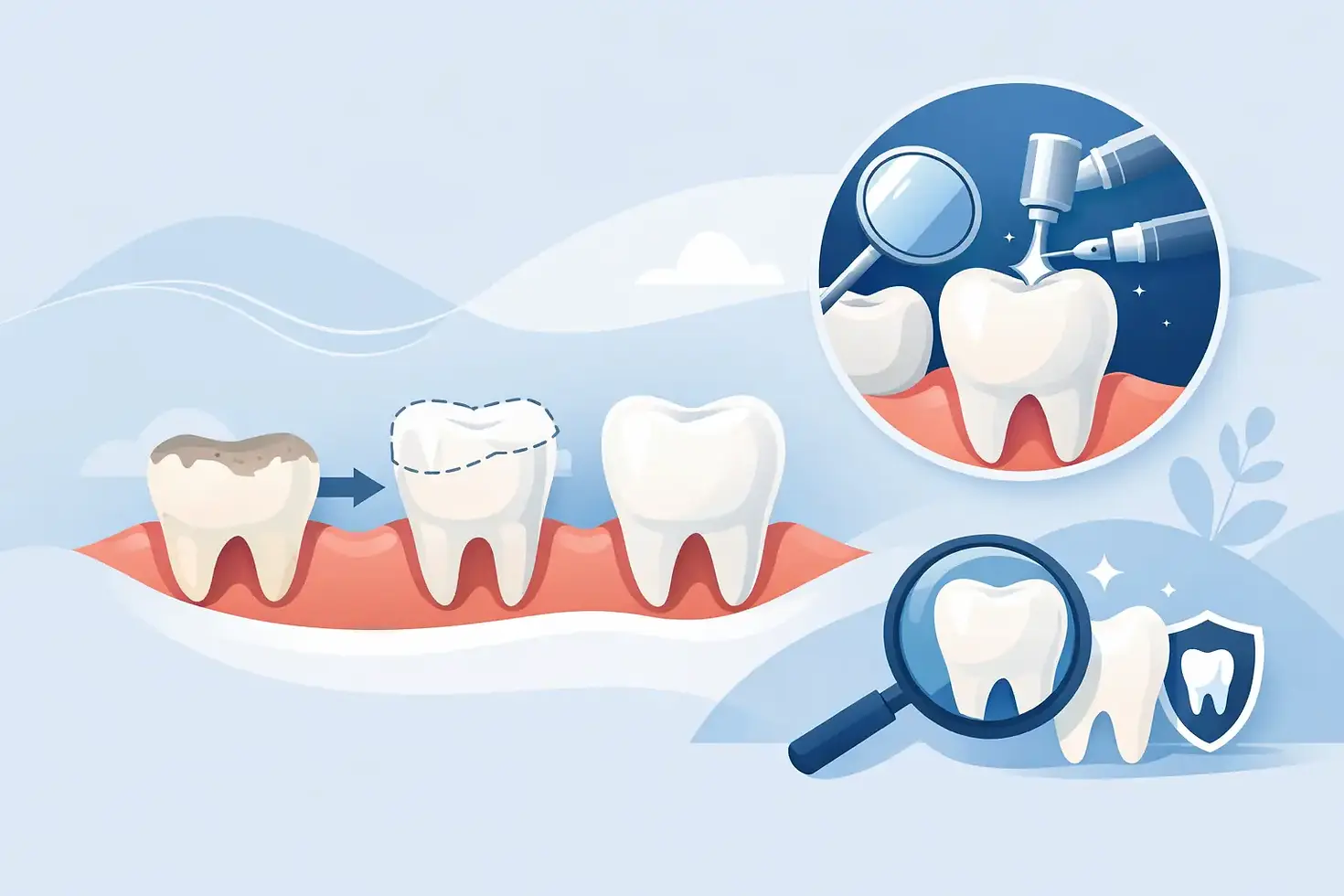
Can Worn Teeth Be Restored?

You may notice it first in photos, not pain - teeth that look shorter, flatter, or more uneven than they used to. For some people, the change is gradual. For others, it shows up as sensitivity, chipping, jaw fatigue, or the feeling that their bite no longer fits comfortably. If you are wondering, can worn teeth be restored, the answer is often yes. The right approach depends on how much tooth structure has been lost, why it happened, and what you want to regain - comfort, function, appearance, or all three.
Can worn teeth be restored in a lasting way?
In many cases, yes. Worn teeth can often be rebuilt with modern restorative and cosmetic dentistry, sometimes conservatively and sometimes with more comprehensive treatment. The key is not just covering the damage. It is understanding the cause of the wear so the restoration has a strong chance of lasting.
Tooth wear is not always a simple cosmetic issue. When teeth become shorter or thinner, the bite can shift. Chewing can become less efficient. The edges of the teeth may chip more easily. Some patients also develop sensitivity because the protective enamel has worn away and the softer inner tooth structure is exposed.
This is why a proper evaluation matters. Restoring worn teeth successfully is about rebuilding strength and balance, not only making the smile look better.
Why teeth wear down
Teeth are strong, but they are not indestructible. Wear usually happens over time from one or more repeating forces. Grinding and clenching are among the most common causes. Some patients do this at night without realizing it. Others clench during stress, work, or exercise.
Acid exposure is another major factor. Frequent intake of acidic drinks, acid reflux, or stomach acid reaching the mouth can soften enamel and accelerate wear. Once enamel is weakened, normal chewing and grinding can remove it more quickly.
There are also mechanical causes that seem harmless at first. Chewing ice, biting pens, using teeth to open packaging, or aggressive brushing with a hard-bristled toothbrush can all contribute. In some cases, the bite itself is part of the problem. If the teeth do not come together evenly, certain areas can carry too much force and wear faster than others.
Often, it is not one single cause. A patient may have mild reflux, a history of grinding, and older dental work that no longer supports the bite properly. That combination can lead to significant wear over the years.
Signs that worn teeth may need treatment
Some worn teeth do not need immediate restoration, especially if the wear is minor and stable. But there are signs that should not be ignored.
Teeth that appear shorter, flatter, translucent at the edges, or more yellow than before may be showing enamel loss. Sensitivity to cold, sweets, or brushing can suggest dentin exposure. You may also notice rough edges, repeated small chips, or fillings that keep breaking.
Not all symptoms are inside the mouth. Morning jaw tension, headaches, neck tightness, or a tired feeling when chewing can point to grinding or bite strain. If the teeth are wearing quickly, early treatment is usually more conservative than waiting until the damage becomes extensive.
How dentists restore worn teeth
The best treatment depends on severity. Mild wear may be managed with preventive changes and small restorations. Moderate to severe wear may need a carefully planned rehabilitation.
Bonding for small areas of wear
For minor edge wear or small chips, tooth-colored bonding can be an effective option. A resin material is shaped directly onto the tooth to rebuild lost structure. This can improve shape and appearance quickly and with minimal removal of healthy tooth structure.
Bonding is often a good choice when the wear is limited and the bite forces are manageable. The trade-off is durability. In patients with strong grinding habits, bonding may chip or stain sooner than more durable restorations.
Veneers for front teeth with cosmetic wear
When wear affects the front teeth and appearance is a major concern, veneers may be considered. Veneers are thin custom coverings placed over the front surface of teeth to improve length, shape, and color.
They can create a dramatic smile improvement, but they are not right for every worn-tooth case. If the bite is unstable or the patient grinds heavily, the underlying forces need to be addressed. Otherwise, even beautifully made veneers may fail prematurely.
Crowns for stronger rebuilding
When teeth are more severely worn, weakened, or already heavily restored, crowns may offer better protection. A crown covers the entire visible part of the tooth and can restore both shape and strength.
Crowns are often used when a tooth has lost too much structure for bonding or veneers to be reliable. They can also help reestablish the bite when several teeth have become worn down. The downside is that crowns usually require more tooth preparation than bonding.
Onlays and overlays for selective coverage
In some cases, a tooth does not need a full crown. An onlay or overlay can rebuild the chewing surface while preserving more natural tooth structure. This is a valuable option when wear is concentrated on the biting surfaces of back teeth.
For patients who want a balance between durability and conservation, this can be an excellent middle ground.
Full-mouth rehabilitation for complex wear
When wear is advanced across many teeth, isolated repairs may not be enough. If the bite has collapsed, the teeth have become noticeably shorter, or there are multiple broken restorations, a full-mouth rehabilitation may be the most predictable solution.
This does not always mean every tooth needs treatment. It means the case is planned as a whole. The dentist evaluates bite position, tooth proportions, muscle comfort, smile design, and long-term stability before rebuilding selected teeth in a coordinated way.
This is where digital imaging, precise records, and careful treatment sequencing make a real difference. A premium restorative approach is not about doing more treatment than necessary. It is about doing the right treatment with enough precision to make it comfortable, functional, and lasting.
Can worn teeth be restored without fixing the cause?
Usually, no. They can be repaired, but not predictably protected, unless the cause is managed too.
If grinding is part of the problem, a custom night guard may be recommended after treatment. If acid is involved, dietary guidance or medical evaluation for reflux may be important. If the bite is unstable, the restoration plan should account for that rather than simply replacing lost enamel with new materials.
This is one of the biggest differences between a quick fix and a thoughtful restorative plan. The tooth surface is only one part of the picture. Muscles, joints, habits, and bite forces matter too.
What to expect during evaluation and treatment
A thorough worn-tooth assessment usually starts with photographs, X-rays, and a close bite evaluation. In more complex cases, digital scans and 3D imaging can help the dentist study how the teeth function together and where the wear is most active.
The discussion should cover more than treatment options. It should also include your goals. Some patients mainly want relief from sensitivity and prevention of further damage. Others want a more youthful smile and better chewing ability. Many want both.
Treatment may happen in phases. Sometimes the first step is stabilizing the mouth with protective appliances, temporary restorations, or selective repairs. This gives the dentist a chance to test bite changes and make sure the final plan feels comfortable before completing the definitive restorations.
At Chong Dental Ipoh Garden, this kind of precision-focused planning is especially valuable for patients with advanced wear, failing dental work, or signs that the entire bite needs rehabilitation rather than piecemeal repair.
When waiting makes treatment harder
Patients often delay care because the wear does not seem urgent. That is understandable. Tooth wear can be painless for a long time. But the longer it progresses, the more treatment may be required later.
A slightly flattened tooth may need only monitoring or bonding today. Years later, the same tooth may crack, lose more structure, or contribute to bite imbalance that affects several other teeth. Early diagnosis gives you more conservative options.
That does not mean every worn tooth needs immediate major treatment. It means wear should be taken seriously enough to evaluate before it becomes a larger and more expensive problem.
The real goal is not just repairing teeth
Restoring worn teeth is about more than replacing what was lost. It is about helping the mouth work comfortably again and giving patients confidence that their smile looks healthy, balanced, and cared for.
Some cases are simple. Others require a carefully staged plan. Either way, the best results usually come from dentistry that respects both function and appearance, while paying close attention to why the wear happened in the first place.
If your teeth look shorter, feel more sensitive, or seem to be changing year by year, that is worth a closer look. The earlier you understand what is happening, the more choices you are likely to have - and the easier it can be to restore both comfort and confidence.


Comments